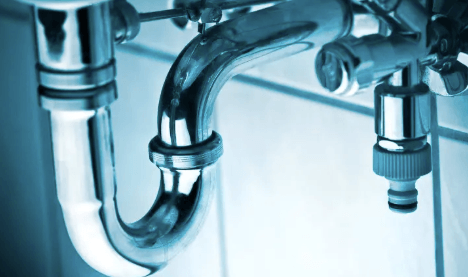
Budgeting for home plumbing improvements starts with distinguishing urgent repairs from nice-to-haves. A practical plan estimates realistic costs for fixes, maintenance, and potential upgrades, while reserving contingency funds for delays and code changes. The approach maps expenses to project phases and requires multiple, itemized quotes. Durable, energy-efficient options with solid warranties are prioritized, and warranties or service plans are documented. A clear, phased strategy leaves readers with a concrete reason to continue optimizing for long-term value.
Assess Immediate Plumbing Needs vs. Nice-To-Haves
Assessing immediate plumbing needs versus nice-to-haves requires a clear prioritization framework. The analysis distinguishes immediate needs from enhancements, aligning repairs with safety, function, and code compliance.
Data indicate urgency and disruption as key drivers, shaping budget priorities. Decision criteria include cost versus impact, downtime, and return value. This approach enables targeted investments while maintaining flexibility for future improvements and freedom of choice.
Estimate Costs for Common Fixes and Upgrades
Estimating costs for common plumbing fixes and upgrades requires a disciplined, data-driven approach that translates typical project scopes into realistic price ranges.
Projects focus on appliance maintenance tasks such as water heater servicing and faucet replacements, plus addressing pipe corrosion prevention.
Budgets reflect material, labor, and permit considerations, guiding informed decisions while avoiding overspecification, delays, or unnecessary upgrades.
Build a Realistic Budget and Contingency Plan
A practical budget and contingency plan translates the cost estimates from the prior focus on common fixes and upgrades into a structured financial framework. The approach emphasizes budgeting basics, allocating a dedicated reserve, and mapping costs to project milestones.
Contingency planning accounts for unforeseen events, supply delays, and code updates, ensuring funds remain flexible while maintaining transparent, data-driven financial discipline.
Get Quotes, Avoid Scams, and Choose Durable, Energy-Efficient Options
Getting quotes, avoiding scams, and selecting durable, energy-efficient options requires a disciplined, data-driven approach: obtain multiple written estimates from licensed professionals, verify references and licenses, compare itemized bids for labor, materials, and timelines, and prioritize products with proven efficiency ratings and solid warranties.emphasize fuel efficiency and leak detection, verify warranties, and choose reputable installers to minimize risk and ensure lasting savings.
Frequently Asked Questions
How Can I Prioritize Projects With the Longest-Term Savings?
Longer term savings emerge by evaluating ROI across fixtures, appliances, and piping upfits; a prioritization strategy ranks projects by payback period, energy efficiency impact, and disruption costs, guiding investments toward those delivering durable, meaningful, cost-effective benefits.
See also: facesnews
What Tax Credits or Rebates Apply to Home Plumbing Upgrades?
Tax credit incentives vary; rebates often depend on location and project type, with notes on energy- or water-efficiency upgrades. A home warranty may influence coverage. Applicants should research local programs, document savings, and compare qualified providers before proceeding.
Which Maintenance Tasks Prevent Future Expensive Repairs?
Regular maintenance tasks prevent costly failures; routine inspections, leak checks, pipe insulation, Water Heater flushing, and drain清潔 reduce risks, while timely valve replacements and code-compliant upgrades enhance reliability. unrelated idea1, unrelated idea2.
How Do Seasonal Costs Affect Budgeting for Plumbing?
Seasonal cost fluctuations loom like shifting tides; budgeting contingencies light the path. The analysis notes peaks in winter and spring, with durable fixtures and emergency funds mitigating risk, enabling practical, freedom-minded households to plan confidently despite variability.
What Signs Indicate a Project Requires a Licensed Plumber?
Signs requiring licensed plumber include complex gas lines, sewage backups, water contamination risks, structural leaks, and major system overhauls. When to hire licensed professional: evident safety hazards or code compliance concerns, ensuring reliable, compliant, and long-term results.
Conclusion
In a quiet, methodical hum, the home reveals idts truths through pipes and plans. Numbers flow like a measured current, separating urgent repairs from future upgrades, each line item a waypoint on a map of resilience. Contingencies sit like a steady buffer, ready for unforeseen tides. When quotes align with durable, efficient choices, the house breathes easier, warranties in hand, budgets intact. The smartest path, finally, is not haste but disciplined pacing toward lasting comfort.