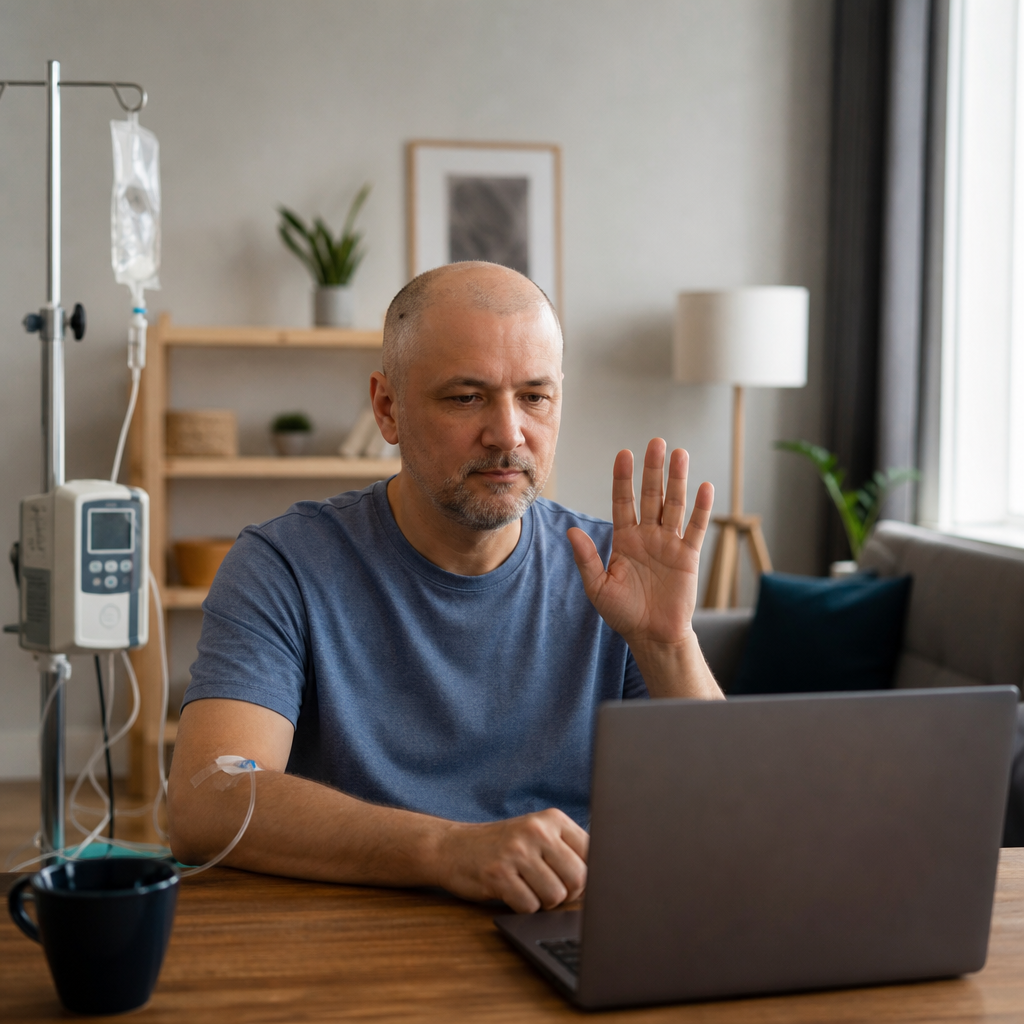
The rise of location-independent work has created unexpected opportunities for people managing serious health conditions. Cancer patients who previously felt tethered to their local healthcare systems can now consider treatment options across borders while maintaining their careers. This shift is particularly relevant for professionals living in regions with developing medical infrastructure who can relocate temporarily to access specialized oncology care without sacrificing income or career progression.
The Intersection of Digital Nomadism and Medical Tourism
Digital nomads have traditionally prioritized destinations based on cost of living, internet connectivity, and lifestyle amenities. But a growing subset of remote workers faces a different calculus: proximity to world-class medical facilities. Countries that have invested heavily in healthcare infrastructure are seeing an influx of professionals who need ongoing treatment for chronic conditions, including cancer.
The United Arab Emirates has emerged as a compelling option for this demographic. The country offers robust digital infrastructure alongside internationally accredited hospitals, and its geographic position makes it accessible from Europe, Asia, and Africa. For remote workers whose companies allow flexible location arrangements, spending several months in a medical hub while undergoing treatment has become a viable strategy. This trend mirrors broader patterns documented in research on global mobility and digital work arrangements, where healthcare quality increasingly factors into destination decisions.
Understanding Treatment Accessibility Beyond Borders
Cancer treatment requires consistency and coordination. Patients typically need multiple appointments over weeks or months, including diagnostic imaging, chemotherapy sessions, radiation therapy, and surgical procedures. Traditional medical tourism focused on single interventions, but modern cancer care demands sustained engagement with a multidisciplinary team.
Remote work removes one of the biggest barriers to accessing this level of care abroad: the need to be physically present at an office. A software developer can attend a morning oncology appointment and still meet afternoon deadlines. A consultant can schedule radiation sessions around client calls. This flexibility transforms what would have been impossible into merely challenging.
Practical Considerations for Working While in Treatment
The logistics require careful planning. Treatment side effects vary considerably by cancer type and therapy protocol. Chemotherapy often causes fatigue that peaks several days after infusion. Radiation therapy may require daily sessions for weeks. Patients need to negotiate realistic work schedules with employers, accounting for both appointment time and recovery periods.
Time zone differences can actually work in a patient’s favor. Someone receiving treatment in Abu Dhabi while working for a US-based company has morning hours free for medical appointments before East Coast business hours begin. European time zones align even more conveniently, with only a few hours’ difference.
Comprehensive Cancer Care in Regional Medical Hubs
The Middle East has invested substantially in healthcare infrastructure over the past two decades. International hospital chains have established facilities with equipment and protocols matching those in North America and Europe. These institutions recruit internationally trained physicians and implement care models developed in major academic medical centers.
For patients with bone and soft tissue cancers, specialized programs provide integrated diagnostic and treatment services under one institutional umbrella. These conditions require coordination between surgical oncologists, radiation specialists, medical oncologists, and rehabilitation teams. Cleveland Clinic Abu Dhabi’s Cancer Institute exemplifies this multidisciplinary approach, offering advanced diagnostics including PET-CT imaging and AI-powered analysis alongside surgical and systemic therapies. Their program for Bone cancer treatment in Abu Dhabi integrates genetic counseling with immune-oncology options and cellular therapies, providing patients access to treatment modalities that may not be available in their home countries.
The Science Behind Multidisciplinary Cancer Treatment
Research consistently shows that patients treated at specialized cancer centers with multidisciplinary tumor boards have better outcomes than those receiving care from individual practitioners. The tumor board model brings together specialists from different disciplines to review each case collectively, ensuring treatment plans reflect the latest evidence and account for the full complexity of each patient’s situation.
A comprehensive review of multidisciplinary care approaches demonstrates how integrated teams reduce treatment delays, minimize unnecessary procedures, and improve adherence to evidence-based protocols. For rare cancers like bone sarcomas, where individual physicians may see only a handful of cases throughout their careers, this collaborative approach is particularly critical.
Financial and Legal Frameworks
Healthcare costs abroad require upfront planning. International health insurance policies vary widely in coverage for cancer treatment, and many exclude pre-existing conditions. Some patients fund treatment through savings, while others negotiate payment plans directly with hospitals. The UAE does not currently offer medical visas specifically for cancer treatment, but extended tourist visas can typically be arranged for treatment durations.
Employers may be required to accommodate medical leave under their home country’s employment laws, even when the employee is working remotely from another nation. Understanding these protections before beginning treatment abroad prevents complications if work capacity becomes temporarily limited.
Building Support Systems Far From Home
Cancer treatment is physically and emotionally demanding. Patients relocating for care need to establish support networks in unfamiliar cities. Many cancer centers provide patient navigation services that help with practical matters like finding temporary housing near the hospital and connecting with local support groups.
The expatriate communities in major medical tourism destinations often include others undergoing treatment. Online forums and hospital-sponsored peer groups create opportunities for connection. For patients traveling with family members, having another adult present for appointments and recovery periods significantly reduces stress.
Long-Term Considerations and Continuity of Care
Most cancer patients cannot permanently relocate to their treatment destination. Eventually they return home, which means establishing continuity of care between the international treatment center and local oncologists. Electronic medical records facilitate this transition, but patients should request complete copies of their records, including pathology slides and imaging studies, before leaving.
Surveillance protocols after completing active treatment typically require regular imaging and blood work for years. Patients need to confirm their home healthcare providers can perform these follow-ups and know when to consult the original treatment team about concerning findings.
The convergence of remote work flexibility and international healthcare excellence has created genuine options for cancer patients willing to think creatively about treatment access. While challenges remain in terms of cost, logistics, and emotional adjustment, the barriers have lowered substantially. For digital professionals facing cancer diagnoses, geographic boundaries no longer dictate the quality of care available to them.