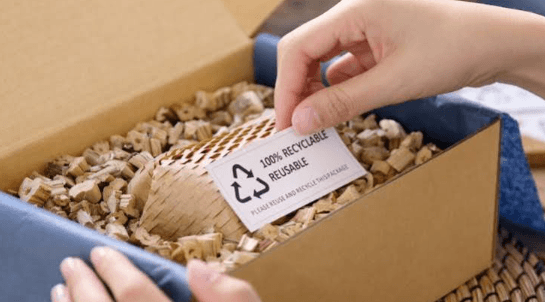
Packaging waste can increase when labels are printed incorrectly, applied to unsuitable materials, or replaced because product information changes. These issues may seem small in isolation, but repeated mistakes can create substantial costs across a busy production operation.
Better label planning helps businesses use materials more efficiently while maintaining product quality. It involves coordinating design, procurement, storage, production, and compliance rather than focusing only on the final printed label.
Identify the Main Sources of Waste
Businesses should first understand where waste occurs. Common causes include incorrect artwork, misprinted batches, poor adhesive performance, damaged rolls, inaccurate order quantities, and labels that become obsolete after a product change.
Production records can help identify recurring problems. Staff should record the type of defect, the quantity affected, and the likely cause instead of simply discarding the material.
Track Waste by Product and Process
A basic waste log can reveal whether a particular product or production line generates more rejected labels than others. It can also help distinguish design issues from equipment problems or handling errors.
Once the main causes are understood, the business can prioritise improvements with the greatest potential impact.
Improve Artwork Approval
Incorrect artwork is a preventable source of waste. Before printing begins, the business should confirm product names, quantities, required declarations, barcodes, language versions, and other essential details.
A controlled approval process should identify who may authorise changes and how the approved version is communicated to production teams. Old files should be clearly marked as obsolete or removed from active production folders.
A final pre-production check is particularly important when several products have similar packaging.
Select Materials for Actual Conditions
A label that fails in use may require replacement or cause an entire package to be rejected. Choosing materials solely by price can therefore increase total costs.
Businesses should consider the packaging surface, application temperature, moisture exposure, storage period, and handling conditions. Representative testing can help determine whether a material and adhesive combination is suitable.
Avoid Unnecessary Over-Specification
The most expensive material is not automatically the best option. A product stored indoors under stable conditions may not need the same level of durability as an item exposed to water, sunlight, or chemicals.
Specifications should reflect actual needs. This can reduce material costs without compromising required performance.
See also: The Future of Immersive Technology
Order and Store Labels Carefully
Over-ordering can leave businesses with large quantities of labels that become unusable after artwork changes. Under-ordering, meanwhile, can interrupt production and lead to expensive urgent purchases.
Historical usage, production forecasts, supplier lead times, and expected product changes should inform purchasing decisions. Smaller or more frequent orders may be appropriate for rapidly changing products, while stable high-volume items may justify different arrangements.
Labels should also be stored according to supplier guidance. Excessive heat, moisture, dust, or poor handling can damage materials before they are used.
Review the Production Process
The application process should be checked for alignment, speed, surface preparation, and equipment settings. Misapplied labels can create waste even when the printed material is correct.
Staff training and routine equipment maintenance can reduce repeated errors. Where automated systems are used, appropriate inspection and verification procedures help identify problems early.
Businesses evaluating external labelling services should ask how quality checks, material specifications, and production changes are managed. Clear communication between the supplier and customer can prevent errors from recurring across multiple orders.
Consider Recycling and End-of-Life Requirements
Labels may affect the recyclability of packaging, depending on the material combination and the recycling systems available in the destination market. Businesses should consider whether adhesives, liners, inks, and label materials are compatible with their packaging goals.
Recycling claims should be verified rather than assumed. A material described as recyclable may not be accepted by every local collection or processing system.
Packaging decisions should balance product protection, regulatory requirements, customer usability, and end-of-life considerations.
Measure Improvement Over Time
Useful measures may include rejected labels per production run, waste cost per unit, the frequency of artwork errors, and the percentage of materials left unused after product changes.
Reviewing these indicators regularly helps determine whether improvements are working. Teams should also document successful changes so that the same problems do not return when production staff or suppliers change.
Frequently Asked Questions
1. What is the most common way to reduce label waste?
There is no single solution for every operation. Accurate artwork approval, suitable material selection, and monitoring recurring defects are practical starting points.
2. Can environmentally preferable materials reduce all packaging waste?
No. Material choice is only one factor. Poor design, excessive ordering, production errors, and unsuitable storage can still create waste.
3. Should businesses keep extra labels in stock?
The appropriate amount depends on usage, lead times, storage conditions, and the likelihood of product changes. Stock levels should be based on operational data rather than guesswork.
Conclusion
Reducing label waste requires coordinated planning from design approval through production and storage. By identifying recurring defects, choosing appropriate materials, controlling artwork versions, and measuring performance, businesses can reduce unnecessary disposal and improve operational efficiency. The best approach combines waste reduction with reliable product identification and packaging quality.