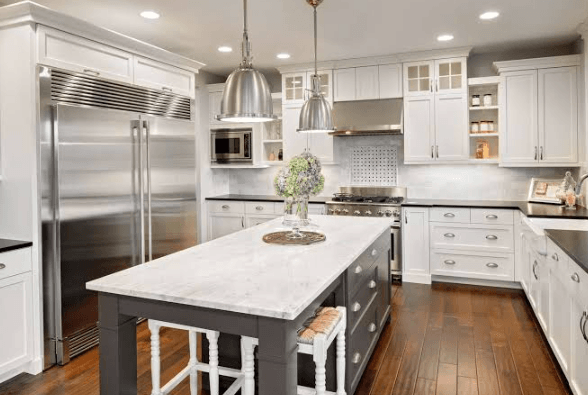
Choosing the right surface for a home can influence both its appearance and everyday practicality. Kitchens, bathrooms, hallways, utility rooms, and living areas all have different requirements, so selecting materials based only on appearance can sometimes lead to unnecessary maintenance later.
Tiling can be a particularly useful option in areas where homeowners want a durable, easy-to-clean surface with plenty of design choices. However, achieving a good result depends on more than simply selecting attractive tiles. The condition of the surface, room environment, layout, grout, and installation process all deserve careful consideration.
Understand the Needs of Each Room
Every room has its own practical demands.
Bathrooms regularly experience moisture, while kitchens may deal with food spills, heat, and frequent cleaning. Hallways receive considerable foot traffic, and living spaces may require a balance between comfort and durability.
Before selecting materials, consider how the room will be used. A surface that works well in a quiet bedroom may not be the most suitable choice for a busy entrance or kitchen.
Consider Where the Surface Will Be Installed
Wall and floor applications have different requirements.
Floor surfaces need to cope with weight, movement, and regular foot traffic. Wall surfaces may provide more flexibility in terms of design and texture.
The location also affects the size and type of material that may be appropriate. For example, a bathroom floor requires careful consideration of moisture and slip resistance.
Understanding the installation area helps narrow down suitable options before purchasing materials.
See also: The Future of Immersive Technology
Select Materials for Long-Term Use
Appearance is important, but durability should be considered at the same time.
High-quality materials can help a finished surface maintain its appearance under regular use. Before making a choice, homeowners should consider expected traffic, cleaning requirements, moisture exposure, and the likelihood of impacts or heavy use.
A slightly higher initial investment may sometimes be worthwhile if the material is better suited to the environment.
Prepare the Existing Surface
One of the most important stages of a successful installation happens before the new material is fitted.
The existing surface should be checked for uneven areas, damage, moisture problems, loose sections, or other conditions that could affect the finished result.
Installing new material over an unsuitable base can create problems later. Proper preparation provides a more stable foundation and helps the finished surface look even.
Plan the Layout Before Installation
The layout can have a major effect on the appearance of a room.
Tiles should not simply be placed without considering where cuts, corners, doorways, fixtures, and other features will appear.
Planning the arrangement in advance can create a more balanced result. It can also reduce unnecessary material waste.
For larger rooms, the starting point and direction of the layout should be considered carefully so that the finished pattern looks intentional.
Think About Tile Size
Different tile sizes can create different visual effects.
Large tiles may make a compact room feel more continuous because there are fewer grout lines. Smaller tiles can provide greater flexibility around detailed areas and may introduce additional texture or pattern.
The choice should be based on the room dimensions, installation area, design preference, and practical requirements.
Choose Grout Carefully
Grout is more than a finishing detail.
Its colour can influence how the overall surface looks, while its condition can affect maintenance over time. A contrasting grout can emphasise individual tile shapes, whereas a similar shade can create a more continuous appearance.
In areas exposed to moisture, proper grout selection and application are especially important.
Grout lines should also be maintained regularly to prevent them from becoming unnecessarily difficult to clean.
Pay Attention to Moisture
Bathrooms and other wet areas require careful planning.
Water should not be allowed to penetrate areas where it could cause damage to the underlying structure. Appropriate preparation, sealing, and installation methods can help create a more reliable finished surface.
Homeowners should also address existing moisture problems before beginning a new project rather than attempting to cover them with new materials.
Choose Colours That Suit the Room
Colour can influence the atmosphere of an interior.
Light colours can create a bright, clean appearance, while darker shades can add depth and contrast. Natural-looking tones can provide a timeless foundation that works with different furniture and decorative styles.
When selecting colours, consider the walls, cabinets, worktops, flooring, and other surrounding elements.
A coordinated palette can make the finished space feel more balanced.
Explore Different Patterns
Straight layouts are not the only option.
Depending on the material and room, patterns such as staggered arrangements, diagonal layouts, or geometric designs can add visual interest.
However, complicated patterns usually require more planning and may involve additional cutting.
The design should therefore be selected according to the room’s proportions and the level of maintenance the homeowner is comfortable with.
Consider Cleaning Requirements
A surface should fit the homeowner’s lifestyle.
Some finishes require more frequent cleaning or more careful maintenance than others. Kitchens and bathrooms usually need surfaces that can be cleaned regularly without excessive effort.
Before choosing a material, check its recommended cleaning methods and maintenance requirements.
This simple step can help avoid selecting a beautiful finish that becomes inconvenient to maintain.
Plan Around Fixtures and Fittings
Bathrooms and kitchens contain numerous fixed elements, including sinks, toilets, cabinets, appliances, and worktops.
The surface design should work around these features rather than treating them as an afterthought.
Planning fixture positions and material layouts together can help create cleaner transitions and reduce awkward cuts.
Avoid Rushing the Installation
A rushed installation can affect the appearance and longevity of the finished surface.
Materials should be measured accurately, the base should be properly prepared, and the layout should be checked before permanent installation begins.
Taking time during preparation can reduce mistakes and unnecessary material costs.
For homeowners who want professional results, working with experienced specialists for Tiling can help ensure that preparation, fitting, and finishing are approached carefully.
Set a Realistic Budget
The cost of a surface project involves more than the price of the tiles.
Homeowners should consider preparation, adhesive, grout, trims, tools, labour, delivery, and potential repairs to the existing surface.
It is also sensible to allow some additional material for cuts and future repairs.
A complete budget provides a clearer idea of the project’s overall cost.
Think About Future Repairs
Even durable surfaces can eventually experience damage.
Keeping a small number of spare tiles can make future repairs easier, particularly if the selected design becomes unavailable.
It is also useful to keep information about the material, manufacturer, colour, and installation details.
Planning for future maintenance can save time if an individual tile or section later needs attention.
Match Practicality With Style
The best material choice usually balances appearance, durability, maintenance, and budget.
A visually impressive design may not be suitable for a busy household if it requires excessive care. Likewise, an extremely practical material may not create the desired atmosphere.
Considering all four factors together makes the decision more balanced.
Common Questions
1. Which rooms are most suitable for tiled surfaces?
Kitchens, bathrooms, entrances, utility rooms, and many living areas can benefit from durable tiled surfaces. The appropriate material depends on the room’s specific conditions.
2. Why is surface preparation important?
A stable and even base helps the finished material sit correctly and can reduce problems such as uneven surfaces, movement, or premature damage.
3. How can tiled areas be easier to maintain?
Choosing suitable materials, using appropriate grout, cleaning regularly, addressing moisture issues, and repairing small problems early can help keep tiled surfaces in good condition.
Conclusion
Choosing a suitable surface is an important part of creating a practical and attractive home. The right decision should consider the room’s purpose, moisture exposure, foot traffic, maintenance requirements, design, and budget.
Careful preparation is equally important. A well-planned layout, suitable materials, properly selected grout, and professional installation can contribute to a more durable and consistent result.
By considering both appearance and everyday performance, homeowners can create surfaces that remain useful and attractive for years to come.