Vehicle lighting has changed significantly over the past several decades. What began largely as a basic system for illuminating roads has developed into a sophisticated combination of optics, electronics, sensors, and design.
Modern vehicles use lighting not only to help drivers see but also to communicate with other road users and create distinctive visual identities.
From Traditional Lamps to Intelligent Systems
Older vehicles commonly relied on conventional bulbs. While these technologies served their purpose, advances in electronics created opportunities for smaller and more efficient lighting systems.
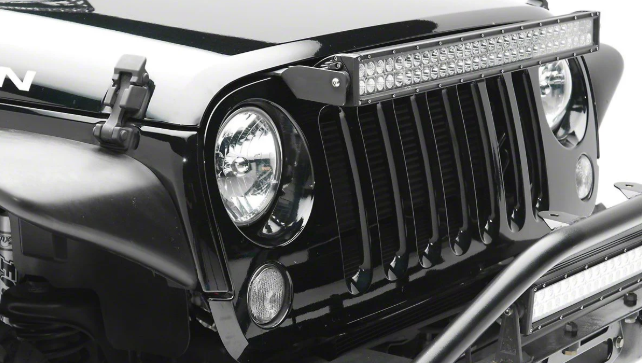
LEDs have become especially important because they allow manufacturers to produce compact light sources with considerable design flexibility.
Modern systems can combine multiple LED elements to create different illumination patterns.
Visibility in Different Conditions
Drivers may encounter darkness, rain, fog, tunnels, urban traffic, and poorly illuminated roads.
Lighting systems must therefore provide useful illumination across different conditions while minimizing glare.
Advanced optical designs can direct light more precisely than simple fixed illumination systems.
Communication With Other Road Users
Vehicle lighting also functions as a communication system.
Brake lights indicate deceleration. Turn signals communicate direction changes. Reversing lights show that a vehicle is moving backward.
Future systems may expand this role further as vehicles become increasingly connected.
See also: How to Maintain a Cube Sauna So It Lasts for Years for Beginners
Styling and Brand Identity
Lighting has become an important part of automotive design.
Manufacturers often use distinctive headlight and taillight shapes to create recognizable vehicle profiles. Light signatures can become part of a brand’s visual identity.
However, design must remain compatible with technical and regulatory requirements.
Durability Requirements
Exterior lighting is exposed to challenging conditions.
Rain, snow, dust, vibration, temperature changes, sunlight, and road debris can all affect components.
Housing materials, seals, lenses, electronics, and thermal-management systems must therefore be designed with durability in mind.
Manufacturing and Testing
Quality automotive lighting requires controlled manufacturing.
Testing may evaluate brightness, beam distribution, water resistance, vibration, temperature performance, and electrical reliability.
Manufacturers must also maintain consistency between production units.
Working With Suppliers
A business evaluating car lighting manufacturers should review technical expertise and quality processes in addition to product appearance.
The right supplier should be capable of meeting the required specifications and supporting development when customized solutions are needed.
The Future of Automotive Lighting
Lighting technology is moving toward greater intelligence.
Adaptive beam systems can adjust illumination according to road conditions. Dynamic signals can create clearer visual communication. Digital lighting may eventually support more complex vehicle-to-pedestrian communication.
These developments demonstrate that automotive lighting is becoming an integrated electronic system rather than a simple collection of bulbs.
FAQs
What is the main purpose of vehicle lighting?
Vehicle lighting improves visibility and communicates important information to other road users.
Why are LEDs widely used?
Their compact size, efficiency, design flexibility, and electronic controllability make them suitable for many modern vehicle applications.
How are automotive lights tested?
Testing can include optical, thermal, vibration, moisture, electrical, and durability assessments.
Conclusion
Automotive lighting has evolved from basic illumination into a highly engineered system combining safety, communication, technology, and design.
As vehicles become more connected and intelligent, lighting will likely become even more important. Reliable manufacturing and careful engineering will remain essential to delivering safe and effective systems.